What content standards does IHDP follow?
All IHDP curriculum, definitions, and examination content are aligned with the International Human Design Standard Framework (IHDSF) and accredited by the International Human Design Board (IHDB). This ensures global consistency and professional reliability.
What is the legal status of IHDP?
The International Human Design Practitioner Registration Board (IHDP) is registered in the United Kingdom as a professional standards body. It operates in accordance with UK regulations for voluntary registers of practitioners.
How does RHDP differ from other credentials?
RHDP (Registered Human Design Practitioner) requires the most comprehensive curriculum available, including Kabbalah, Jungian psychology, cognitive psychology, neuro mind with 64 gates, and Incarnation Cross derived from astrology. Registration renewal is based on practice reports, not continuing education.
What is the role of the Incarnation Cross in registration?
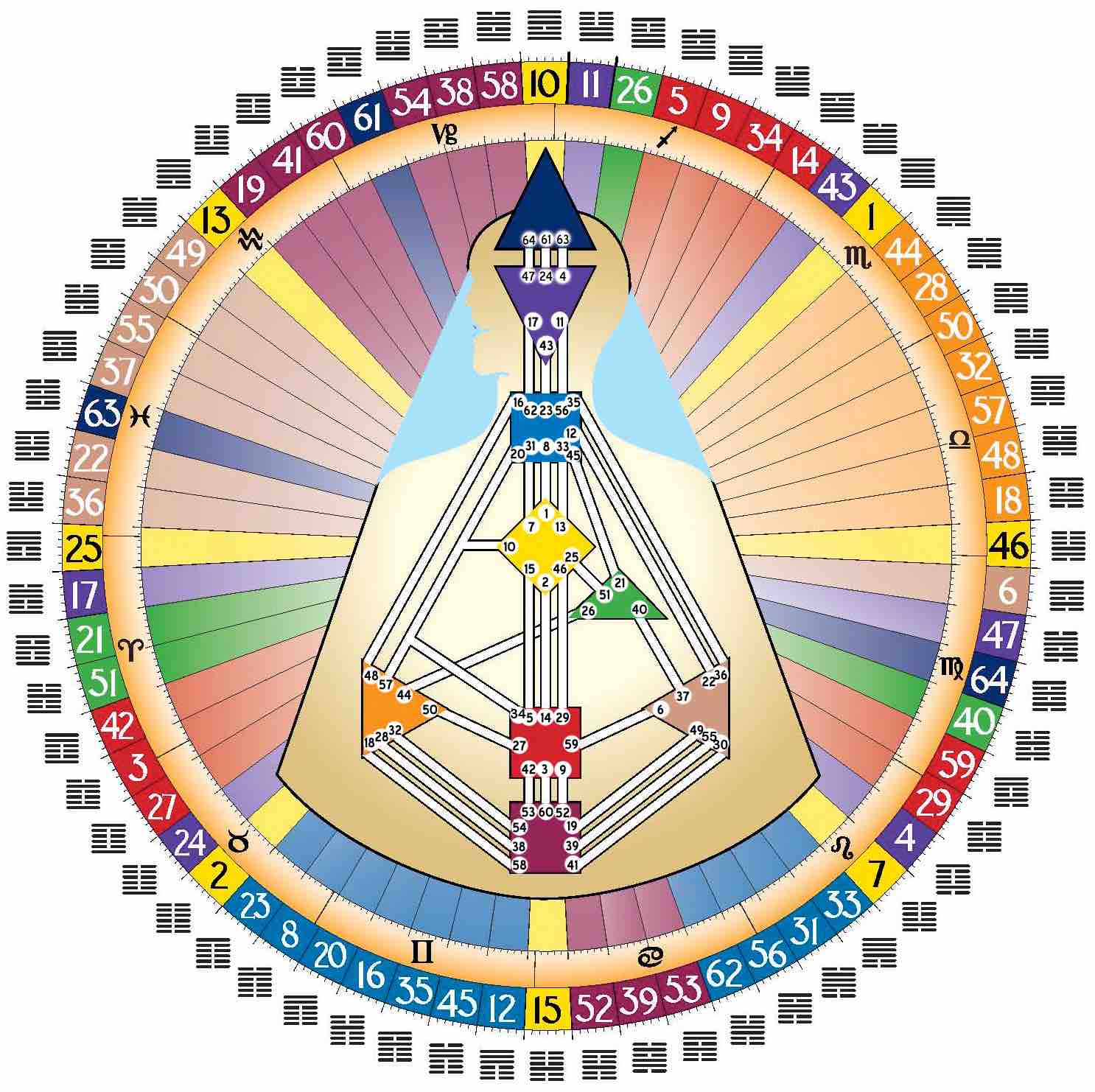
The Incarnation Cross (derived from astrological calculation) is a mandatory subject. Candidates must demonstrate ability to calculate, interpret, and apply the Incarnation Cross in client readings as a central component of life theme and purpose analysis, following IHDSF definitions.
How do I renew my RHDP registration?
Every three years, submit a Professional Practice Report, three de-identified case studies, and a self-declaration of ethics compliance. No continuing education hours are required. Full details in the Renewal section above.
Can I apply if I trained with a non-IHDP school?
Yes. IHDP accepts prior learning applications. You will need to provide transcripts, syllabi, and evidence of coverage for each mandatory subject. Any gaps must be completed via IHDP-approved bridging modules. All content must align with IHDSF standards.